

SEC Exam Priorities Mention Tokenization. That Is Not a New Rule or an Approval
The SEC's 2027 exam priorities mention tokenization in three places. See where, and why it is not a rule, an approval, or a deadline.
On Oct. 23, 2026, the SEC released the Division of Examinations' priorities for fiscal year 2027 (FY2027). They mention "tokenization." The mention is short, and it is easy to read too much into it. This article shows where the word appears and what it does and does not mean.
Tokenization is a general term for recording a claim on an asset, such as a security, as a token on a digital ledger. The SEC passages do not define it.
What the SEC published
The SEC announced the priorities in press release 2026-109. The full list is in a separate PDF.
The Division of Examinations is the SEC staff group that inspects registered firms. Those firms include investment advisers, broker-dealers (firms that trade securities for customers), exchanges, and clearing agencies. The release says the Division covers more than 34,000 registrants, which are firms registered with the SEC.
The priorities point to areas the Division believes carry higher risk this year. They guide where examiners look first.
Where tokenization appears
Tokenization shows up in three places.
- The press release. It lists "risks associated with evolving market infrastructure, including Treasury clearing reforms, tokenization, and related developments" among the key areas of focus. Market infrastructure means the systems that clear and settle trades.
- Section V, Clearing Agencies (printed page 10). A clearing agency sits between buyers and sellers to settle trades. The PDF says exams will focus on high-risk areas. These include how firms manage the risk of defaults, recovery and wind-down (plans to recover or shut down in a crisis), securities lending, operations, and tokenization.
- Section VII.B, Regulation SCI (printed page 13). Regulation SCI covers the technology systems of certain major market operators. The PDF says exams under it will focus on emerging trends. It names "tokenization of securities," extended trading hours, and quantum computing.
The two PDF passages are about clearing agencies and Regulation SCI entities. They do not name any token, crypto exchange, or wallet.
What this does not mean
It is not a rule. The PDF opens with a disclaimer. It says the document shows the views of Division staff. It is not a rule, regulation, or statement of the Commission, the SEC's top decision makers. It has no legal force, does not change the law, and creates no new obligations for anyone.
It is not an approval. Exam attention means examiners plan to look at how registered firms manage a risk. It does not mean the SEC has cleared any tokenized product.
It is not a ban, a custody rule, or an enforcement finding. It sets no deadline for investors. It asks investors to do nothing.
It is not a list of who will be examined. The Division calls its program risk-based. That means examiners focus on the areas where they see the most risk. The Division says the priorities are not the only areas it will cover. They may shift with market events and new products. Nothing in the document says every crypto firm or token will be examined.
Questions to ask about any tokenized product
These are reader questions. They are not SEC requirements. If you come across a product described as tokenized, the answers can help you understand what you would hold.
- What does the token legally represent?
- Who issues it?
- What rights does it give you?
- How do transfers and redemption work? (Redemption means exchanging the token back for what it represents.)
The product's own official documents are the place to look for these answers.
Where to follow what comes next
The SEC keeps its examination priorities on one official page. The Division says it may adjust its focus areas during the year. Rules come from the Commission through separate formal actions. The SEC posts those on its own site.
Sources
- SEC press release 2026-109, "SEC Announces Fiscal Year 2027 Examination Priorities," Oct. 23, 2026
- SEC Division of Examinations, Fiscal Year 2027 Examination Priorities (PDF)
- SEC examination priorities index
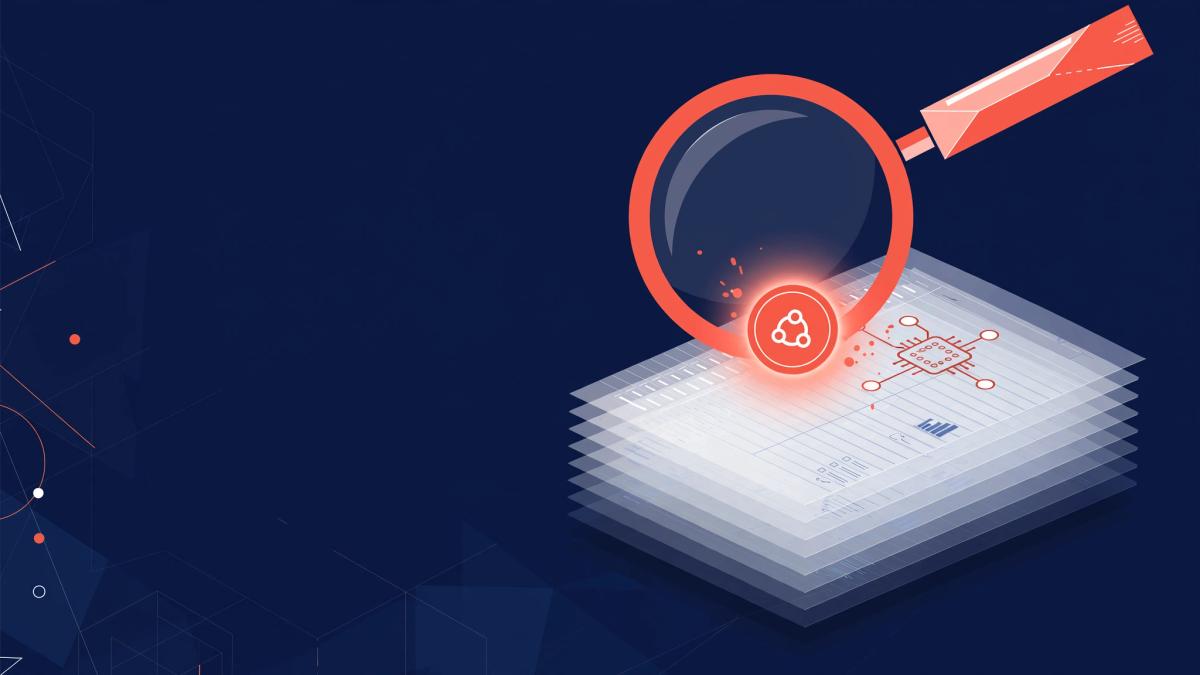
Disclosure: This article summarizes SEC documents dated Oct. 23, 2026. The priorities are staff guidance and can change. They do not decide how any token or tokenized product is regulated. For a specific product, read its official documents or ask a qualified professional. The illustration is conceptual, not a photo of a real event. This article is not financial, legal, or investment advice. AI-assisted research and writing. Cited sources, not AI alone, support the claims.