

FBI Warns of Fake Video Calls After $400 Million in Crypto Theft
The FBI says fake video calls led to over $400 million in crypto theft. Learn how the scheme works and what to do if you suspect a compromise.
On Nov. 12, 2026, the U.S. Justice Department (DOJ) announced two actions against North Korean crypto theft. DOJ says one scheme used fake video calls to steal more than $400 million over 18 months. It also says courts have approved it to seize or restrain more than $1.2 billion in crypto stolen from Binance. This guide explains what DOJ said, what the FBI tells people to do, and what is still unclear.
What DOJ announced
DOJ put two separate actions in one press release.
- The video-call scheme. Federal prosecutors in the Central District of California say they disrupted cloud-based systems that North Korean hackers used in a scheme the FBI calls "FaceStealer." DOJ says the scheme stole more than $400 million in crypto in the last 18 months.
- The Binance theft. DOJ says North Korean military hackers, which the FBI calls "TraderTraitor," stole more than $6 billion in digital assets from Binance on or about Oct. 29. DOJ says U.S. government and private-sector efforts have frozen more than $2.7 billion. It says it has court approval to seize or restrain more than $1.2 billion of that amount.
The numbers and the North Korea attribution come from DOJ and the FBI. The press release does not announce criminal charges against any person, and it is not a court ruling.
How the fake video call works
The FBI published a report with more detail. Here is the scheme in plain steps, as the FBI and DOJ describe it.
- Hackers take over a real person's messaging account. The FBI names Telegram, LinkedIn, Slack and Discord.
- They message that person's contacts and invite them to a video meeting. The FBI says the reasons include "catch up," "discuss collaboration" or "talk about investment opportunities."
- The meeting link leads to a copycat of a service such as Zoom or Teams. The hackers control the copy.
- Inside, the hackers play a recorded webcam video of the person whose account they took. They may add more videos, so it looks like several people are present. DOJ says they also use AI tools to make deepfake videos of well-known people in crypto.
- A fake problem appears. A message says you cannot be heard. The "fix" may be an update prompt, a link, a script, or code to paste into a computer's command line.
- The fix installs malware. The FBI says it can include tools that copy browser cookies, record keystrokes and screens, and give the hackers a back door. Your own webcam is recorded too, and the cycle starts again with your contacts.
The FBI says some thefts happened months to more than a year after the first infection. In those cases, it says the hackers copied recovery phrases and watched wallet balances. They moved money after balances grew.
The FBI aimed its alert at people who work in crypto and web3 and at open-source software maintainers. The FBI says the hackers also use the trick to try to reach software that many people download. The first message in this scam can come from a real contact's hijacked account, so a familiar name is not proof that an invitation is genuine.
What the FBI recommends
These steps come from the FBI's report, not from CryptoWorkPro.
- Join video chats in the official app with an invite code. Do not click links to web versions, especially from new or infrequent contacts.
- Keep your webcam off until you can see, hear and talk to the person who invited you.
- Do not run scripts or paste code into a command line to "fix" a video app. Update the app on its own instead.
- Check calendar invites. The FBI says hackers often leave the video link out of the invite and send it close to the start time.
- Confirm a meeting through a different channel than the one the invite came in on. For example, call or text if the invite came by Telegram.
- Add multifactor authentication and login alerts to Telegram, WhatsApp, Slack and similar apps. Use expiring messages.
- Keep only small amounts in browser-extension wallets. The FBI says larger balances belong on a separate hardware wallet or with an exchange. It says to keep recovery phrases and private keys off your devices.
If you think you were hit
The FBI's report lists these steps for a suspected compromise.
- Create a new wallet with a new recovery phrase on a device that never spoke with the suspected hackers. Move your crypto there.
- Secure messaging and developer accounts. Change passwords, log out all active sessions and add multifactor authentication.
- Tell your contacts that your account may be used to impersonate you. If you used a work device or have work files on your own, tell your employer.
- If you lost access to an account, ask the platform to restore or shut it down.
- File a report at IC3.gov with the keyword "FaceStealer."
Frozen, restrained and seized are different
DOJ uses three words for the Binance money. In general, a freeze stops funds from moving. A restraint is usually a court order that bars moving assets. A seizure takes control of them. DOJ's release does not break the $1.2 billion into seized and restrained parts.
A seizure also is not a return. A DOJ official said the department will use "every tool at its disposal to seize and return" North Korea's stolen funds. That is a statement of intent. The release does not say who would get any money back, or when.
DOJ also says the thieves keep moving the rest. It says efforts to trace and freeze the funds are ongoing, and that the hackers continue to launder them through bridges, mixers and exchanges. Binance's own statements about the theft and about replacing customer assets are in our earlier Binance coverage.
What is not known
- DOJ does not say how many people lost crypto to FaceStealer. The FBI says it seized more than 900 victim webcam videos, which is not a count of theft victims.
- The release does not say whether the scheme has stopped after the disruption. The FBI is still warning people about it.
- It does not say how much of the $400 million has been recovered.
- It does not say how the $1.2 billion relates to Binance's own loss, or how any seized money would be returned.
- The release names no charges and no court ruling on North Korea's role. The attribution is DOJ's and the FBI's.
Key dates
- On or about Oct. 29, 2026: DOJ and the FBI say the Binance theft happened.
- Oct. 31, 2026: The FBI issues an alert that attributes the theft to North Korea and asks crypto services to block transactions linked to addresses it lists.
- Nov. 12, 2026: DOJ announces the FaceStealer disruption and the Binance seizure orders, and the FBI publishes its report.
Sources
- U.S. Department of Justice: Justice Department Announces Actions to Disrupt North Korea's Massive Theft of Cryptocurrency (Nov. 12, 2026)
- FBI FLASH report on the FaceStealer scheme (Nov. 12, 2026)
- FBI: FaceStealer Cryptocurrency Theft Scheme
- FBI Cyber alert: North Korea Responsible for $6 Billion+ Binance Attack (Oct. 31, 2026)
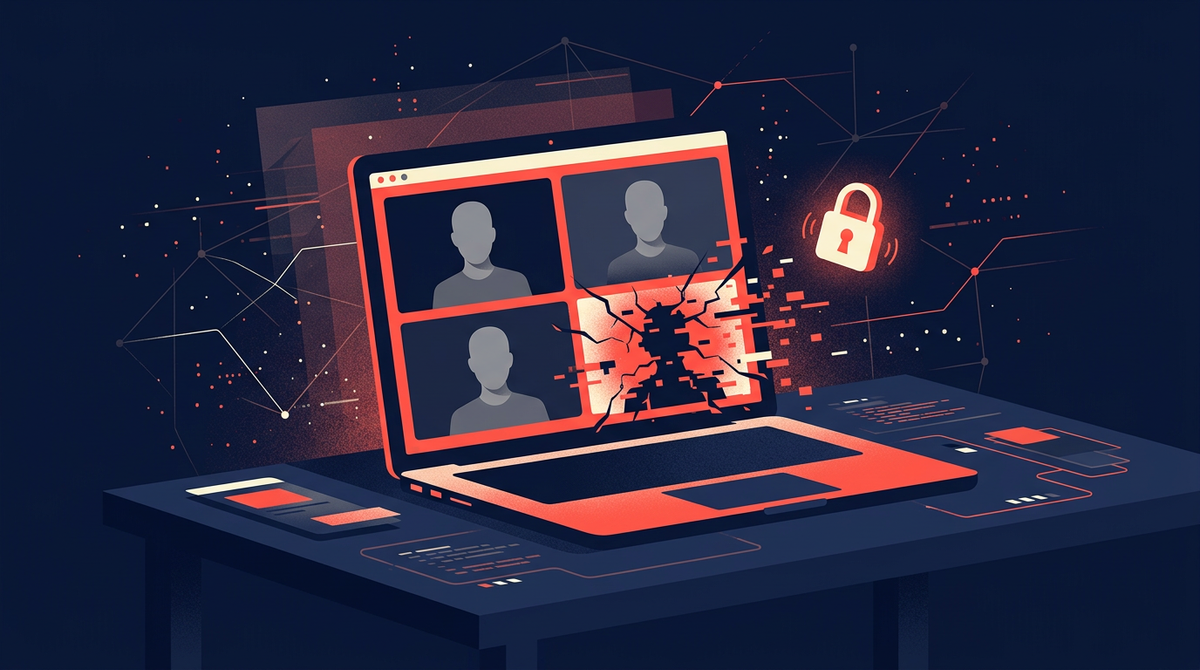
Disclosure and Disclaimer: This article is informational editorial coverage based on the cited and dated U.S. Department of Justice and FBI documents. It reports their figures, findings and attributions as their statements, not as court rulings or independently verified facts. The security steps summarize the FBI's report and may not fit every device, wallet or situation, so follow the FBI's full guidance and ask a qualified security professional for help with a suspected compromise. The featured image is a generated illustration, not a photo of a real event. This article is not financial, legal, or investment advice. AI-assisted research and original article writing, links back to sources for proper attribution. Cited sources, not AI alone, support article writing and factual claims.