

Anyone Can Look Up a Bitcoin Address. What Does a Block Explorer Show About You?
A block explorer shows any Bitcoin address's balance and history. Learn why reusing an address links payments and which habits can reduce linking.
Anyone Can Look Up a Bitcoin Address. What Does a Block Explorer Show About You?
Paste a Bitcoin address into a block explorer and the site shows its balance and the payments that went through it. Bitcoin.org says anyone can see the balance and all transactions of any address. That openness lets anyone check the ledger, and it is also why the way you use addresses affects your privacy.
This guide explains what a block explorer displays, how reusing one address can connect separate payments, and which habits Bitcoin.org and the Bitcoin Wiki recommend.
What a Block Explorer Shows
A block explorer is a website that displays blockchain data, including blocks, transactions and addresses, in readable form. mempool.space is one example, and its FAQ says to find an address you search for it in the site's search box.
For an address you look up, an explorer typically lists:
- The current balance
- Each transaction that paid into or out of the address
- Links to related blockchain data, since the mempool.space FAQ says explorers show data on blocks, transactions and addresses
An address is a string of characters, not a name. Bitcoin.org notes, though, that people usually have to reveal their identity to receive goods or services, so addresses cannot remain fully anonymous. A name can get attached to an address when something outside the blockchain links the two, such as an address you posted publicly or a service that knows which address received your payment.
Why Reusing One Address Links Your Payments
The Bitcoin Wiki explains that when an address is reused, everything paid into it is tied to everything spent from it, which makes it much easier for others to work out that the address is yours. Bitcoin.org's vocabulary page says that, for privacy reasons, an address should ideally be used only once to receive funds.
Here is an illustration. Suppose you give the same address to a tenant who pays you rent and to a friend who repays a loan. Either person can look up that address and see both payments, plus its balance. If you had given each payer a separate address, neither could see the other's payment by looking up the address they paid. Bitcoin.org adds a limit: if you later move funds from a public address to your other addresses, those funds carry the history of the public one.
The Bitcoin Wiki also gives an exchange example. If you send coins to a deposit address you have used before, observers can tell the coins are headed to an exchange, and the wiki says the price may move before the exchange credits your account. Generating a new deposit address avoids this.
What to Do: Use a Fresh Receive Address Each Time
Bitcoin.org recommends using a new address each time you receive a payment. The Bitcoin Wiki says good wallets today use deterministic wallets, which make it easy to have many addresses, and notes that before about 2013 creating new addresses could invalidate backups. Check your own wallet's documentation to see how it creates addresses and how its backup works.
A practical routine:
- Open your wallet's receive screen and check whether it shows a new address each time.
- Give one address to one payer, then request a new address for the next payment.
- Avoid posting an address in a public profile, a forum, or a social media bio. Bitcoin.org says publishing an address in a public space is not a good idea for privacy, because the history of that address is public.
Your Internet Connection Can Leave a Trace Too
Bitcoin.org notes that because Bitcoin is a peer-to-peer network, it is possible to listen for transaction relays and log the IP addresses involved. It also says that finding the true source of a transaction can be difficult, and that a node can be mistaken for the source when it is not. Bitcoin.org suggests considering a tool such as Tor to hide your computer's IP address. Tor is one option, not a guarantee. Wallets handle network connections differently, so check what yours does and what it says about privacy.
Looking up an address or transaction can leave a trace as well. The Bitcoin Wiki's Privacy page says block explorer websites are commonly used, that a user who refreshes a transaction page links their IP address to that transaction unless Tor is used, and that the queries also reveal that someone is interested in that transaction or address. The wiki says it is better to use your own wallet software than a website for this. Tor reduces what a website can see, but nothing here makes a lookup anonymous.
Mixing Services Have Limits
Bitcoin.org describes mixing services as online services that receive coins and send back the same amount using independent addresses. It says their legality may vary by jurisdiction, that you must trust the operators not to lose or steal your funds or keep logs, and that while mixing may break traceability for small amounts, it becomes harder for larger ones. CryptoWorkPro is not recommending any mixing service.
What a Block Explorer Cannot Do
An explorer reads the ledger. It does not move coins. The mempool.space FAQ says the site only provides data about the Bitcoin network and cannot help you retrieve funds. For that, it points you to the wallet software or exchange that made the transaction. If you sent a payment to a wrong address, an explorer can show where it went, but it cannot return the coins.
What the Sources Do Not Say
The sources do not measure how easily a typical person can be identified from their addresses. That depends on how many addresses someone has shared, how they paid, and what other records exist outside the blockchain. Bitcoin.org also warns that something hard to trace today may become easy to trace in the future, because the blockchain is permanent. Treat fresh addresses as a way to reduce linking, not as a promise of anonymity.
Quick Checklist
- Use a new address for each payer.
- Keep addresses out of public posts and profiles.
- Read your wallet's privacy documentation, including how it connects to the network.
- Remember that looking up an address on an explorer website can link your IP address to that lookup.
- Remember that a block explorer shows data; it cannot make a payment private or reverse one.
Sources
- Bitcoin.org, Protect your privacy: https://bitcoin.org/en/protect-your-privacy
- Bitcoin Wiki, Address reuse: https://en.bitcoin.it/wiki/Address_reuse
- Bitcoin Wiki, Privacy: https://en.bitcoin.it/wiki/Privacy
- Bitcoin.org, Vocabulary: https://bitcoin.org/en/vocabulary
- mempool.space, FAQ: https://mempool.space/docs/faq
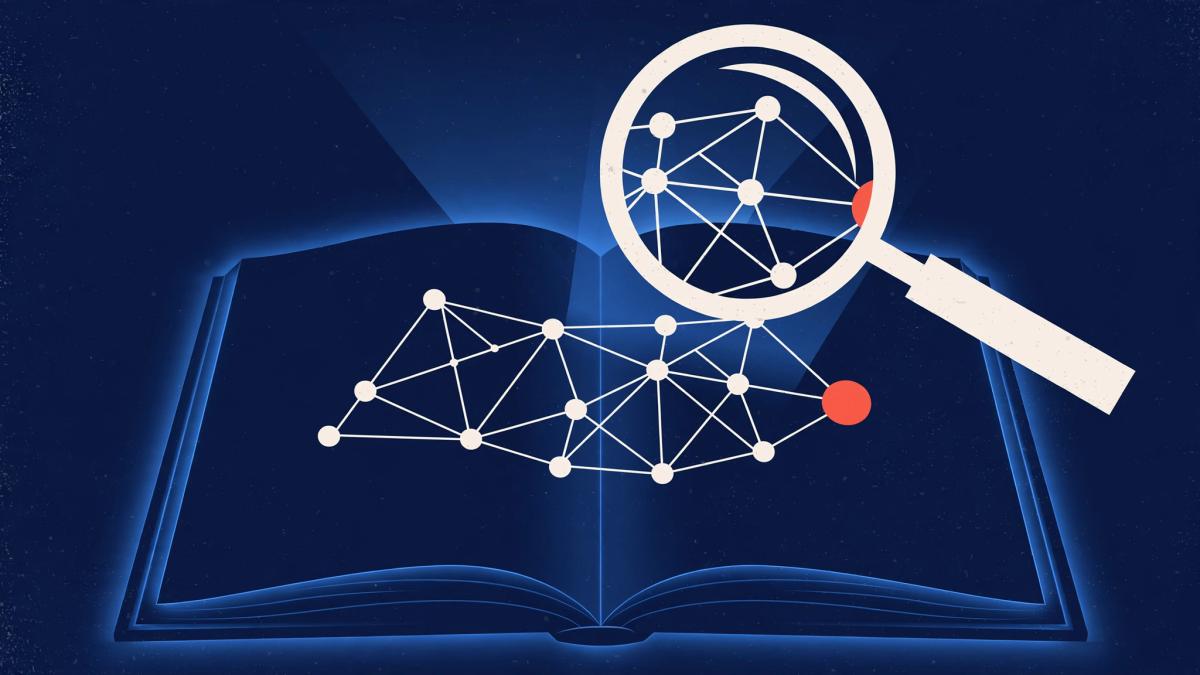
Disclosure: This article summarizes guidance from Bitcoin.org, the Bitcoin Wiki, and the mempool.space FAQ for general education. No privacy practice described here guarantees anonymity or safety, and wallet features vary, so check your own wallet's documentation. The featured image is a generated illustration, not a screenshot. This article is not financial, legal, or investment advice. AI-assisted research and writing. Cited sources, not AI alone, support the claims.